About the author

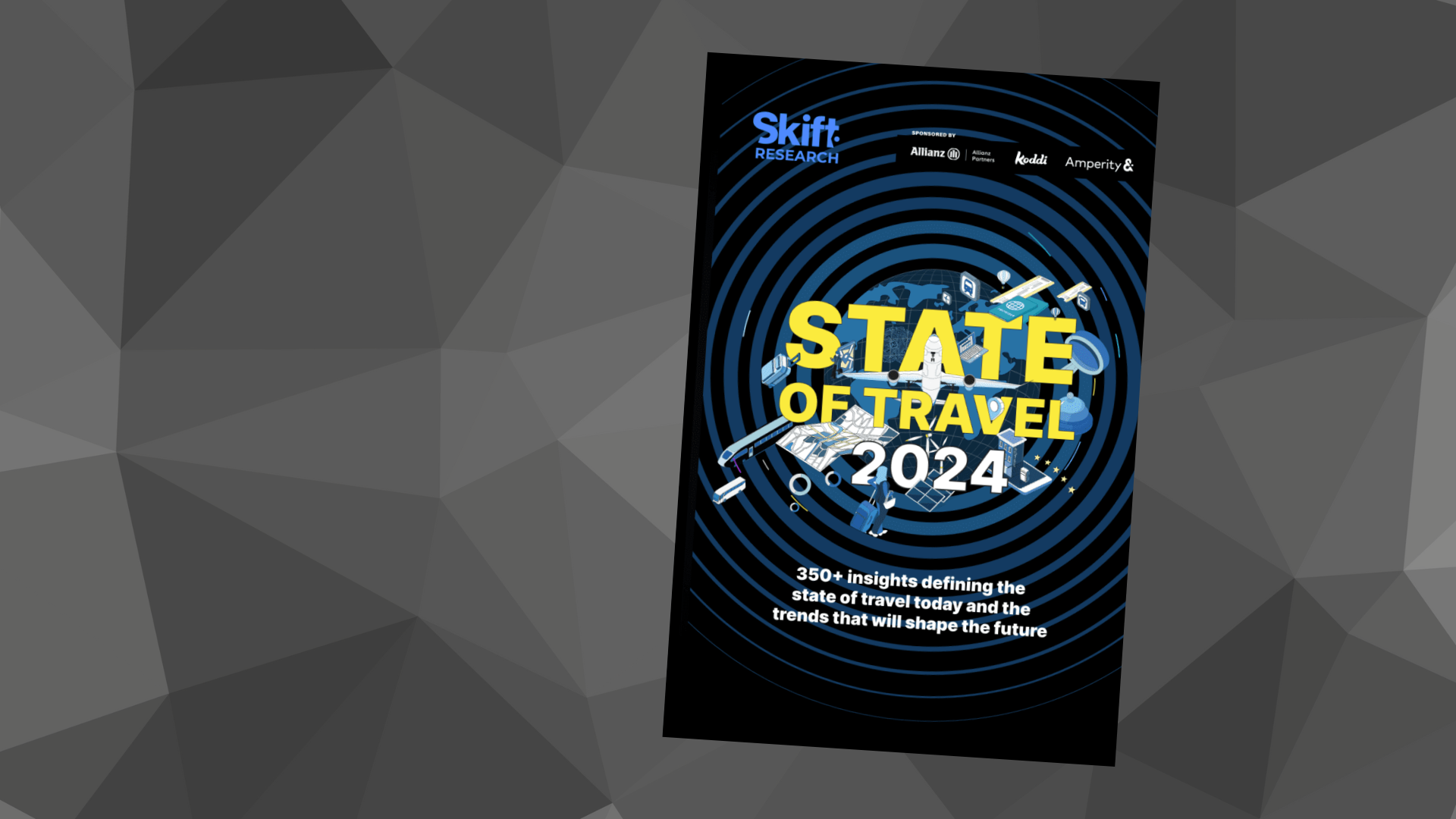
Since 2012, the Skift State of Travel Report has been the go-to guide for travel industry executives and DMOs. Skift, the savvy travel media company, noticed that the industry was wandering through a maze of trends and tech without a map. So, they stepped in with this report, offering a deep dive into everything travel, from what makes travelers tick to the gadgets and innovations that keep the wheels turning.
Every year, the report gets better, thanks to Skift’s knack for pulling together tons of research, chatting with the movers and shakers, and crunching numbers like there’s no tomorrow. The result? A must-read for anyone in the travel biz.
With a mix of smart insights, big-picture thinking, and practical tips, it’s like the ultimate travel buddy, ready to help the industry navigate all the twists and turns of the modern travel world.
The 2024 Skift State of Travel Report dives right into the latest trends reshaping the industry. This year’s report uncovers pivotal shifts in traveler preferences, technological advancements, and sustainable practices that are redefining how businesses operate and engage with their customers.
AI for personalization in travel
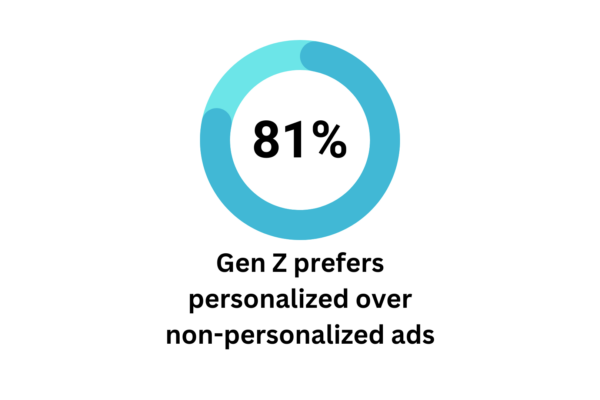 The takeaway: As the travel industry continues to embrace digital transformation, there is a growing emphasis on personalization. AI and data are driving this shift, enabling travel companies to offer more customized experiences based on individual preferences, behaviors, and past interactions. This trend is expected to deepen as technologies evolve, providing even more tailored and engaging customer journeys.
“The key audience of loyalty programs, primarily younger generations, is not as loyal as expected and their needs have evolved, marking a significant generational shift towards personalization and diverse brand engagement.”
Dive deeper: Learn more about how DMOs can get started with AI-enhanced destination marketing.
Sustainability as a core value
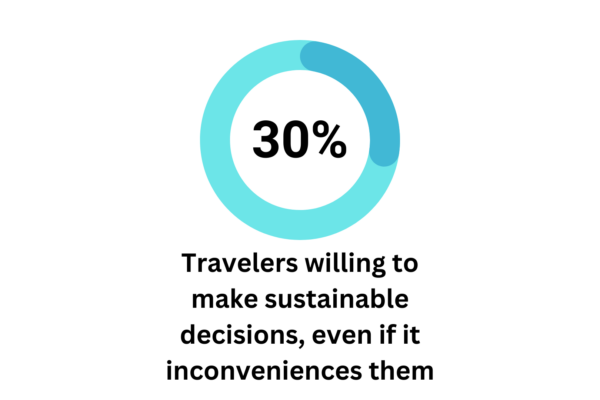
The takeaway: Sustainability is becoming increasingly central to tourism, with a growing number of travelers seeking environmentally responsible options. DMOs and travel companies are likely to focus more on promoting sustainable practices and destinations that prioritize environmental preservation. This includes the adoption of eco-friendly technologies and the promotion of local culture and heritage in ways that are respectful and sustainable.
“Consumers, particularly among younger demographics like Millennials and Gen-Z, are generally willing to pay extra for more sustainable options if businesses and destinations can credibly demonstrate their impact claims.”
Dive deeper: Sustainability and eco-friendly travel was in our top 10 summer 2024 consumer travel trends, which also includes a look at the rise in road trips, growing interest in alternative lodging options, and a few other intriguing insights.
Rise of experiential travel
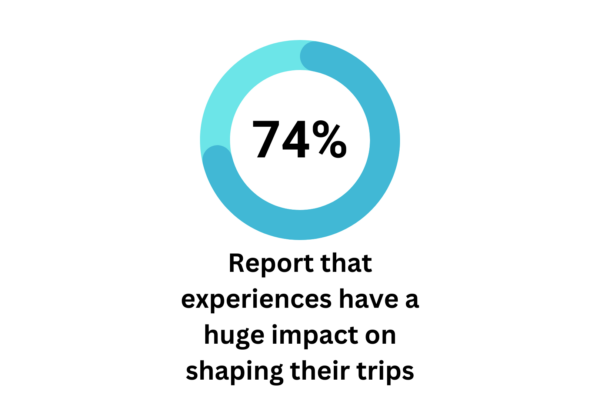
The takeaway: Travelers are increasingly seeking unique and immersive experiences rather than just visiting tourist hotspots. This shift towards experiential travel is likely to influence how destinations market themselves, focusing on offering activities and experiences that are authentic, culturally enriching, and memorable. This could range from adventure tourism to culinary experiences and beyond.
“As the focus shifts from traditional sightseeing to immersive and personalized activities, the demand for unique and memorable experiences will drive significant growth and innovation in the sector.”
Dive deeper: Check out Envisionit’s article that explores travel trends this year for destination marketers for a look at the potential of culinary experiences as a key driver of leisure travel, among a few other unexpected features.
Impact of emerging technologies
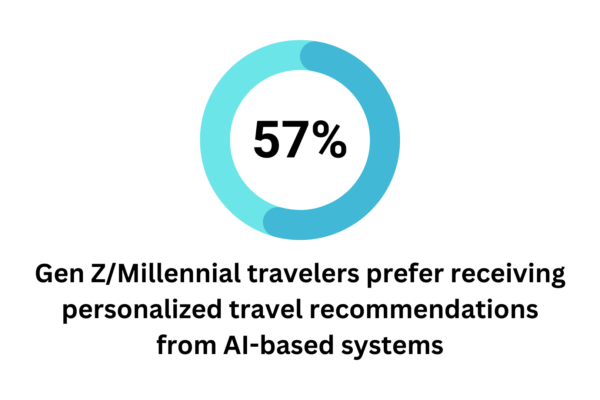
The takeaway: Technologies like virtual reality (VR), augmented reality (AR), and AI are set to transform the tourism industry. VR and AR can offer virtual tours and experiences, enhancing the decision-making process for travelers. AI, on the other hand, can help in automating customer service, providing real-time assistance, and improving operational efficiencies for travel companies. DMOs that harness these technologies effectively will be able to create more engaging and efficient customer experiences.
“Data from a recent Skift Research survey suggests that while a relatively low percentage of people have actively used AI-based apps like ChatGPT for travel planning (37%), those who have used them are generally satisfied with the results (65%).”
Dive deeper: Be sure to check out 5 things that all DMOs need to understand about AI to review your AI options, prepare yourself for potential pitfalls, establish essential guidelines, and get the most out of this evolving tech.
Recognizing a shift in marketing strategies
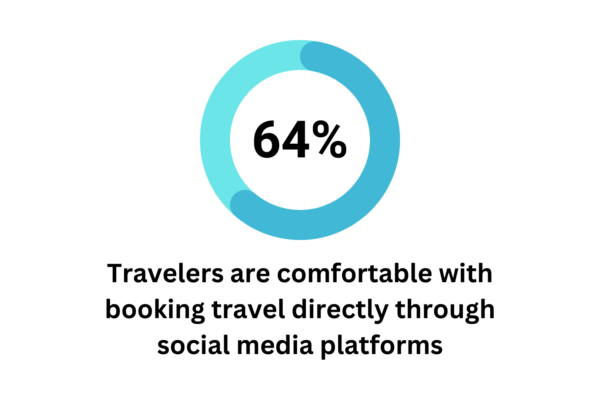
The takeaway: As consumer behavior changes, so too must the marketing strategies of DMOs and travel companies. Social media is no longer just the top trip-planning tool, with consumers growing more comfortable using integrated booking features on social media. Content and influencer marketing will also play a large role, with a need for storytelling that resonates with the values and aspirations of modern travelers — particularly around themes like sustainability, authenticity, and personalization.
“The comfort levels reported in booking directly through social media platforms reflect a growing trend towards convenience and trust in digital travel solutions, underscoring the pivotal role of integrated platforms in shaping modern travel behavior.”
Dive deeper: Find out more about connecting with potential travelers through social media and make a digital name for your destination when you learn how to grow your destination’s organic social media presence.
You can download the full Skift State of Travel Report 2024 here and check out our destination marketing blog for more on the latest travel trends and insights.