About the author

TL;DR: AI watermarks are here, and it is welcome news. We believe storytelling is a uniquely human craft, and this is the first real move to support that belief as AI-generated content floods the web. AI can help teams work faster, uncover new insights, and deliver more value, but the tool is not here to tell the story. People are. As AI-generated work becomes easier to identify, the focus shifts back to what matters most: authenticity, quality, and the human storytelling behind the work.
By now, you’ve probably heard that Anthropic has begun embedding an invisible watermark into every piece of text Claude generates. The news that your content could be flagged as AI-assisted was met with a swift, not entirely positive reaction. Many are voicing concern that even minor assistance could call them out. Perhaps they’re really worried about being exposed?
This shift emphasizes human skill in storytelling, and at Envisionit, we’re here for it.
If you’re a marketer or creator who is overseeing and/or producing content intended to perform, you should be too.
This blog will cover:
- Background on the watermark, how it works, and the intent behind its implementation.
- The agency’s perspective on why it should be viewed as a welcomed shift.
- Content performance implications and reinforcement of quality standards.
- Recommendations for how you can prepare for this decision’s implications.
Behind the regulatory headlines
On August 2nd, Anthropic, along with 190 other companies, including Microsoft, Google, and Meta were required by the EU to sign on to a framework requiring AI-generated content to carry machine-readable marks. What is notable is the decision by Anthropic to apply the watermark everywhere Claude is used. The narrative of protecting the integrity of creators is also being attached to this decision, but frankly, there’s a bigger picture to consider.

“There is always a commercial motive to consider. With the volume of AI-generated content increasing at such a rapid clip, these businesses suddenly have a massive training problem. If they can not detect the difference between what is generated and what is authentic, then suddenly, they have machines learning from machines, inherently damaging their ability to train and improve models.”
What Claude’s AI watermark is actually doing
No, they aren’t embedding something into the letters. Nor are they hiding code in the output.
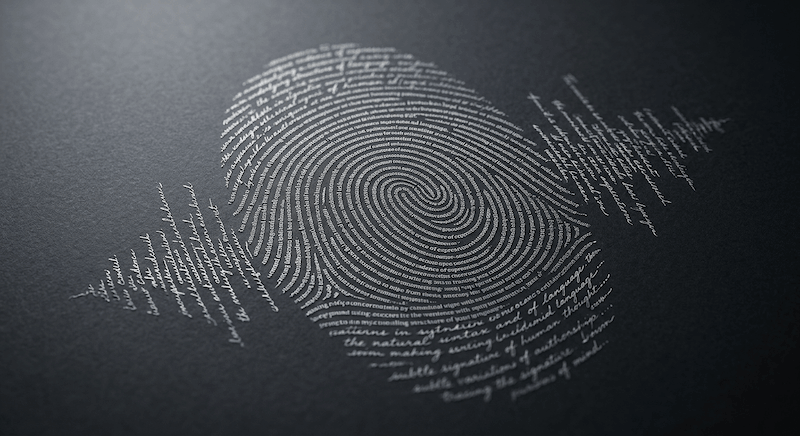
To keep it simple: Anthropic is embedding an invisible statistical organizational pattern into any text it produces. They’re actually leveraging an approach initially pioneered by Google to confirm an AI model was involved in producing a piece of text.
There are a few key things worth understanding:
- The AI watermark can’t distinguish between a first draft that is model-produced and a paragraph the model helped polish after 3 rounds of human revision. Different workflows, same signal, at least for now.
- The mark is also durable. It will survive copy and paste and persist through light editing. But it also won’t catch everything. If you take something AI wrote and paraphrase it in your own words, that’s not detectable either.
- This isn’t intended for identifying “did you use AI”. It’s a system that emphasizes the value of thinking through a narrative and communicating it in your actual voice.
A genuine rewrite, the kind reworked by a person with strategic perspective, breaks the pattern. That’s the point: the watermark isn’t measuring AI use, but instead how much of you is in the work.
It’s a predictable next step for the rapidly evolving space. Google has been watermarking AI-generated images since 2023, and the standard they have set here is already in use for determining file origin, working on a similar logic to metadata and rights management. That said, as with everything in AI, the pace varies across providers, with OpenAI acknowledging in July that text watermarking at scale remained a harder technical problem than file watermarking.
Anthropic has plans to release detection tools and APIs in the near future, allowing institutions, employers, and procurement teams to test text origin if they are authorized to use the verification system.
What AI watermarks mean for content performance
For content and SEO teams, the good news is that an AI watermark is not, in itself, a reason to expect your rankings to change. Google has consistently emphasized that its systems prioritize helpful, reliable, people-first content rather than whether AI was involved in its creation.
But there is a bigger takeaway here: As AI makes it easier to produce content at scale, content quality, expertise, and originality become even more important differentiators.
The content most likely to stand out in both traditional and AI-generated responses won’t simply be content that checks SEO boxes. It will be content that brings something genuinely useful to the conversion: first-hand experience, expert perspective, unique data, proprietary insights, and a clear point of view. This is what both humans and machines are increasingly looking for.

“Yes, AI can help you create more, but it can’t replace the human expertise that makes content worth finding. As AI slop continues to flood the web, we see more and more content simply regurgitating what’s already been said. The real opportunity for marketers is to go in the opposite direction: bring your experts into the content creation process and let their unique perspective, experiences, and expertise shape the work. The watermark itself matters less than building a content process that puts human expertise at the center. Do that well, and you create content that is more authentic, more authoritative, and ultimately positioned to perform better organically.”
An affirmation of storytelling. We’re here for it.
For years SEOs have followed E-E-A-T (Experience, Expertise, Authoritativeness, and Trustworthiness) as a core framework to ensure content meets Google’s human quality standards. Today, it’s more relevant than ever, but the logic extends well beyond organic search. As the world changes so does the nature of our audiences. The proliferation of AI slop and the sheer volume of content has left human audiences craving authenticity.
For the agency, AI is heavily integrated into how we work, and yes, that includes real efficiency gains. Faster research and synthesis of a concept to support concept and narrative development.
I used it to help write this piece. As my partner it helped outline development, research, and generally assisted me in organizing my thoughts. I haven’t used it to help proofread yet or test if my audiences will find this interesting (I’m hopeful it is), but I can, and probably will.
But “help” is the operative word. AI is a tool. A powerful one, but a tool nonetheless.
From day one, the emphasis has been on the wisdom and capability of our team to leverage its potential, while maintaining integrity through a critical human “judgement layer”. It’s our job to ensure outputs, from a single message to an expansive website, are on point with strategy, can stand up under scrutiny, and are positioned to maximize performance.
AI is a collaborator (sometimes many at once), not a writer. We are all accountable for the outcome, and so are you. This new development holds everyone else accountable for what they are producing so it has actual value. Why write it if it doesn’t?
How to prepare for the future of AI transparency
For organizations producing content at volume, three things worth doing now before waiting for a platform or regulator to force the question.
- Put an AI-use disclosure policy in writing. Even if it is informal. This way your organization is ready before someone else asks the question.
- Don’t let “AI was involved” collapse into “AI shouldn’t be trusted” in how you talk to your audience. The two are not the same, and getting ahead of that conflation matters.
- Ask your vendors and your marketing agency, including us, what their process looks like from going from draft to finished deliverable. The answer is more important than asking if AI was used at all. You should want and expect it to be.
In the end, the Claude watermark isn’t changing how we work. It’s just putting a lens on the important part, the story being told.
AI is a tool. Your strategy is what makes it work.
Envisionit helps brands build AI-enabled marketing strategies that combine technology with human expertise to create meaningful results.