About the author

TL;DR: In 2026, U.S. travel spending is set to rise as demand remains strong, even amid inflation. With more travelers staying stateside, the domestic market is growing, but research from the TTRA Marketing Outlook Forum and Envisionit analysis shows a two-speed travel economy emerging. To fully capitalize on this surge, DMOs must target both high and moderate spending domestic travelers, embrace AI driven trip planning, and run full funnel, always on marketing strategies.
Navigating modern travel and tourism
There is no smooth sailing in 2026. Global events, policy shifts, and AI powered search are reshaping how destinations compete. Many trips now start with a feeling, not a fixed place, so authenticity has to be a product promise, not a tagline.
From my strategist seat in tourism, every destination and attraction needs an integrated plan grounded in its own performance and the market. Use historicals to forecast, layer in research, and track category trends so 2026 roadmaps are data based and future proof. Then prove why you matter with programming that is specific, human, and bookable.
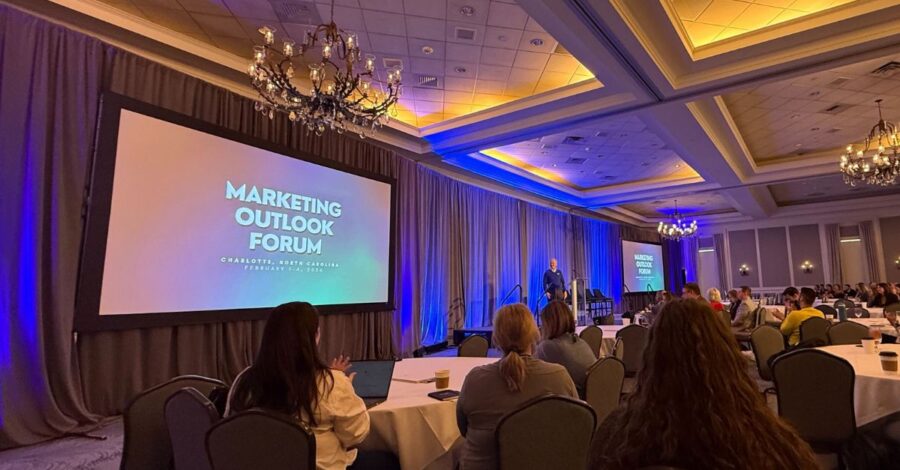
Americans are traveling more and spending more, even with inflation in the mix. Research from the TTRA Marketing Outlook Forum and Envisionit analysis shows a two speed domestic market. Some travelers splurge, others spend carefully. To capture growth, DMOs need strategies that speak to both segments.
For the broader context that informs this, see our recap of the 9 takeaways from the TTRA Marketing Outlook Forum 2026.
What is a two-speed traveler economy?
On one side, higher income households are still spending. They book premium hotels, fly long distances, and choose trips built around unique, memorable experiences.
On the other side, many middle and lower income travelers are feeling the squeeze. They take fewer trips, stay closer to home, shorten vacations, trade down on hotels, or pause plans.
It mirrors the broader K shaped economy. Some households are gaining confidence while others tighten budgets. For DMOs, that means sharper segmentation, flexible pricing and packaging, and value messaging for price sensitive travelers, while elevating story and experience for higher spend visitors.
The international friction point
International demand to the U.S. has softened in 2026. Future Partners’ State of the International Traveler shows “likely to visit the U.S. in the next two years” down to 36.1% from 53.2% last year, with perceptions declining in several Western markets. Barriers include stricter entry requirements, longer processing timelines, and higher perceived complexity, which are costs measured in time and confidence, not just dollars. Major travel brands are already adjusting. Disney is increasing domestic marketing investment to offset softening international demand.
What’s driving the slowdown of international travel to the U.S.?
- Stricter entry requirements
- New policies requiring deeper social media disclosures
- Longer processing timelines
- Higher perceived complexity
The cost of entry now includes logistical, emotional, and psychological components, enough for many international travelers to delay or cancel trips.
Innovation through recalibration
The 50 plus traveler is pivotal in 2026. AARP’s study finds nearly two thirds of adults 50+ plan to travel, with earlier planning, comparison shopping, and greater use of loyalty programs and AI tools to tailor itineraries. Family and multigenerational trips remain core. Health and accessibility shape how, not whether, they travel.
Broad demos are not enough. Shift targeting toward:
- Traveler motivation
- Travel mindset
- Real-time intent signals
- AI search behavior
Here’s some of what we’re seeing shape travel trends in 2026:
Emotion over destination: Travelers start with a feeling such as nostalgia, awe, calm, or connection. Destinations that make those emotions tangible and bookable win.
Nostalgia and heritage: People chase simpler, pre digital joys and rediscover roots through ancestry trips and cultural pilgrimages. Memory rich touchpoints and heritage storytelling convert when they feel personal, local, and easy to experience.
Community rituals and live moments: Shared energy at concerts, festivals, big games, and communal spaces drives trips. Build itineraries around collective rituals and sell belonging, not just the ticket.
Human guided discovery: Fatigue with over algorithmed plans is real. Travelers want human intelligence on the ground. Elevate local hosts, maker experiences, and guided access so serendipity feels intentional and safe to book.
Coolcationing: Record heat shifts interest to cooler mountain towns, lakes, and breezier coasts. This opens new seasonal demand if you can credibly promise summer comfort.
Road trips that flex the budget: Road trips remain value smart as travelers balance control, flexibility, and cost. Drive markets like Orlando, Los Angeles, Phoenix, Atlanta, and Las Vegas anchor demand. Route efficiency, EV charging information, and parking bundles matter.
Off-season savings: Value minded travelers trade crowds for lower rates and unique seasonal experiences. Spotlight what is better off season and package rates with timed activities that feel exclusive.
Experience over price: Travelers splurge on distinctive, hands-on local moments while economizing elsewhere. Maker-led food tours, neighborhood culture, small group nature access, and immersive programming outperform generic offers when easy to find and buy.
AI-driven trip planning: Conversational AI now plans trips in minutes. Travelers use AI itinerary planners to build hyper personalized routes fast. This changes how destinations must publish content. Structure for natural language questions, itinerary style queries, and generative answers. Make offers scannable, comparable, and bookable.
Hilton launched an AI Planner (beta) onhilton.com, a generative concierge that helps guests compare properties and plan stays. If your site and content are not AI ready, you risk disappearing from the planning phase. Track and improve performance with our AI metrics and KPIs guide.
The strategic path forward for DMOs in 2026
A challenging inbound year does not mean shrinking ambition. It means sharpening where it counts.
Future-ready destination marketing requires:
Design for emotion: Start with the job to be done emotionally and translate it into product, programming, and content people can buy.
Community and live moment programming: Treat concerts, festivals, sports, and communal rituals as anchor products. Build bookable pre- and post-event itineraries to extend stays.
A full-funnel tourism marketing strategy: Be present from inspiration to loyalty. Map creative to each decision point and align measurement to journeys so upper-funnel attention ties to arrivals and in-destination spend.
Always-on media investment: Consistency wins in algorithmic environments. Maintain a baseline, pulse by intent and conditions, and use dynamic creative to shift to what is working now.
Smarter audience segmentation: Blend first-party, behavioral, and predictive signals to target by motivation and timing. Build modular offers for splurgers and value seekers without diluting the brand.
Creator‑led distribution: Targeted creator partnerships tied to cultural moments deliver efficient reach and action when paired with strong owned content and performance media.
AI search optimization: Structure for conversational queries and itinerary-style prompts. Use clean IA with rich FAQs and schema. Track AI visibility alongside SEO and paid search.
Accessibility and confidence as product features: Make saying yes easy through transparent pricing, clear logistics, mobility and sensory information, and bilingual content. Offer friction-removing tools for families, groups, and multigenerational travelers.
A final word from my strategist seat
I think in spreadsheets and stories, and that Brooklyn mix keeps me focused on what actually moves travelers to click book, not vanity metrics. If you serve the value seeker and the experience splurger, speak fluently to AI and to humans, and keep your brand present when decisions are made, you will earn more than bookings, you will earn trust, and trust travels.
Ready to turn shifting demand and AI-driven discovery into a strategy that captures both value seekers and experience splurgers while making your destination visible, bookable, and trusted at every stage of the journey? Let’s talk.