About the author

I’ve been doing this travel and tourism thing for a while now. There are some crazy shifts happening in our industry, and I’m ready to talk about them.
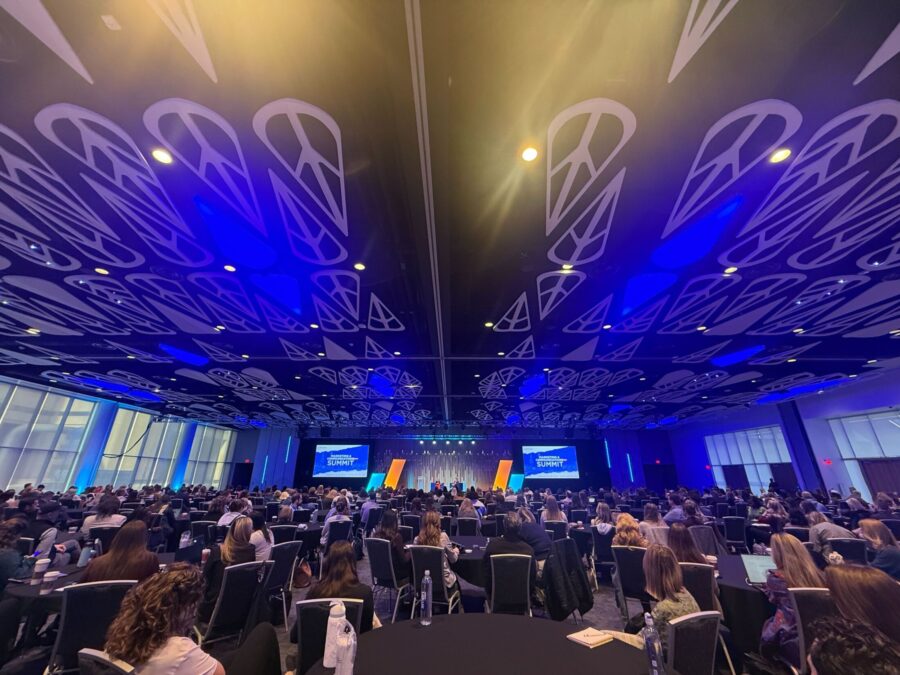
I’m heading to the Destinations International Marketing & Communications Summit in Cleveland, February 24–26. I always tell people to come to these kinds of events armed with questions, not just curiosity. I’ve found the most value when I bring real challenges and leave with concrete ideas to tackle them, whether it’s proving value to stakeholders, responding to market shifts, or rethinking audience engagement strategies.
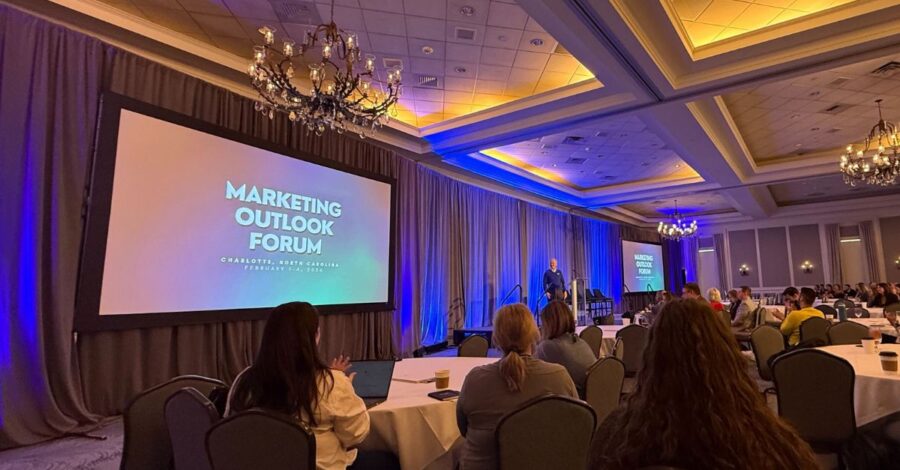
When I was at the TTRA Marketing Outlook Forum 2026, the big-picture trends were eye-opening. You can read my TTRA event recap here. Traveler behavior is becoming more and more fragmented. Higher-income visitors continue to prioritize trips, while others plan more carefully, weighing costs and shorter stays. Across generations, trust, value, and emotional connection are becoming just as important as price. Regional travel, group trips, and retail experiences are all growing, highlighting the need for DMOs to engage multiple audiences thoughtfully.
The emphasis was that marketing strategies in 2026 must be precise, empathetic, and focused on giving travelers clarity and confidence. With all that in mind, here are the five questions I think every DMO should be asking.
1.) How do we tell stories that truly connect with our community and travelers?
Authentic storytelling is central to a DMO’s ability to build trust and relevance. In a recent client conversation, we explored how their campaigns often highlighted attractions and events but didn’t reflect the lived experience of local residents or the deeper narrative of the community. That gap can make messaging feel hollow to both visitors and locals.
At the Summit, you should explore crafting stories that balance economic impact with authentic community voice. How do you ensure campaigns resonate emotionally while remaining true to the local character? For DMOs, connecting on a human level builds loyalty, encourages repeat visits, and differentiates your destination in a crowded market.
2.) How can DMOs use AI to work smarter, not just faster?
Artificial intelligence is transforming every corner of destination marketing, from audience insights and content creation to personalization and predictive planning. I’ve seen DMOs adopt AI for everything from generating draft messaging to analyzing traveler sentiment, but the real challenge is knowing where AI should enhance strategy versus where human judgment is critical. This raises the question: what frameworks or approaches help DMOs integrate AI effectively without losing control of brand voice, authenticity, or strategic direction?
Destinations International is certainly taking this seriously, having secured Unchained as an AI educational partner.
At MarCom Summit, Unchained Managing Director Todd Brook’s session, “From Agencies to Internal Advantage; How AI is Shifting the DMO Landscape,” promises to tackle exactly that. You’ll hear practical examples of how agencies and internal teams are leveraging AI to improve efficiency, optimize campaigns, and free up marketers to focus on strategy and creative problem-solving.
3.) How can we use traveler sentiment data to create experiences that drive engagement?
Data is only as valuable as the decisions it informs. Many DMOs collect traveler surveys, social sentiment insights, and booking trends, but struggle to translate that data into compelling, measurable experiences. In a recent Longwoods International report, destinations that leaned into micro‑experiences or pop-up activations saw far higher engagement than those relying solely on traditional campaigns.
Explore how to leverage traveler insights to craft experiences that feel personal and memorable. Which touchpoints matter most, and how do we measure the results? For DMOs, Use data not just to inform marketing decisions but to design experiences that connect emotionally, create buzz, and drive measurable results.
4.) What does accessibility and inclusivity look like as a growth strategy?
I’ve noticed an increasing number of destinations starting to recognize that accessibility and inclusivity are actually strategic growth opportunities. From aging populations to travelers with disabilities, the audience for inclusive travel is expanding, and destinations that truly embrace it are seeing stronger engagement and brand loyalty.
So, what initiatives have measurable impact? How do you ensure that inclusive practices are embedded into marketing campaigns, experiences, and operations, rather than being an afterthought? For DMOs, prioritizing accessibility and inclusivity not only meets ethical and social expectations but also expands your audience, strengthens your brand, and drives repeat visitation.
5.) How do we clearly demonstrate value to stakeholders and advocates?
DMOs are constantly tasked with proving their worth to city councils, boards, and partners. It’s one thing to say your campaigns drove awareness, but it’s another to tie that awareness to economic impact, community benefit, and measurable outcomes.
How do you translate marketing efforts into defensible, stakeholder-friendly metrics that tell a clear story of ROI and community benefit? A well-articulated narrative backed by data and examples of measurable impact helps secure budgets, strengthen advocacy, and position marketing teams as essential contributors to the destination’s overall success.
The through-line here is that our industry is going through some uncertainty, audience shifts, changing markets, and we’re recognizing a need for adaptive strategies. Here’s my advice for getting the most out of the D.I. MarCom Summit:
- Bring your real-world challenges. Frame them as questions. Sessions are far more valuable when you can map content back to what your team actually needs.
- Be intentional with networking. Conversations between sessions often spark ideas that formal presentations cannot.
- Think beyond traditional metrics. Traveler expectations and discovery behaviors are shifting rapidly, so look for frameworks that help you articulate value in new, meaningful ways.
I hope to see you at the D.I. MarCom Summit. And again, if you’d like to meet up to speak with me, you can book time on my calendar here.