About the author

Last week, during Envisionit’s monthly DEI discussion, our team tackled a topic that hit home for many of us: how destinations can better market to LGBTQ+ travelers, travelers of color, travelers with disabilities, solo female travelers, and culturally diverse audiences.
It was one of those conversations that reminded me why I love working here, because it’s not just talk. These discussions help us think more critically about the kind of world we’re building and promoting through our work with destination marketers.
Why DEI is so important in travel & tourism
Travel should be a source of joy, discovery, and freedom. But for too many travelers, the simple act of booking a trip still comes with hard questions:
- Will I be safe?
- Will I be welcome?
- Will I face discrimination?
Those aren’t niche concerns. They’re barriers that affect millions of potential visitors. And from both a moral and business standpoint, DMOs can’t afford to ignore them.

The DMO business case for DEI
Let’s talk numbers first, because they’re staggering. Together, these traveler segments represent more than half a trillion dollars in annual spending and are growing faster than mainstream markets:
- LGBTQ+ travelers:$320 billion globally in 2024, expected to exceed $630 billion by 2033
- Black travelers:$145 billion annually in the U.S. alone
- Hispanic travelers:$165 billion projected by 2025
- Travelers with disabilities:More than $100 billion (including companions)
- Solo female travelers:An estimated $125 billion in 2025
And these groups will favor, spend more, and show stronger loyalty to destinations that welcome them authentically.
In other words, inclusivity isn’t just the right thing to do. It’s smart business.
Additional reading: Check out more about how DEI and the tourism industry are inextricably linked, and why that’s a strength and not a weakness.
Why authenticity matters beyond optics
We’ve all seen it. The rainbow logo during Pride Month. The stock photo of a diverse family on a website. The website accessibility badge that doesn’t lead anywhere helpful.
Performative inclusion has become so common that it’s often worse than doing nothing at all.
True inclusivity means year-round action, not a seasonal campaign. It means featuring real travelers, not models. It means being transparent about safety, accessibility, and representation, even when it’s uncomfortable.
Here are a few travel realities to consider:
- LGBTQ+ travelers will check local laws before booking, because in some regions their identities are still criminalized.
- Black travelers use social media as a modern-day Green Book to find safe routes and welcoming businesses.
- Travelers with disabilities need exact measurements of doorways and bathroom layouts before confirming a hotel.
- Muslim and Jewish travelers plan entire itineraries around access to halal or kosher food and prayer facilities.
- Solo female travelers look for destinations that don’t just say they’re safe but prove it with concrete information, safety maps, and verified reviews.
DMOs that proactively address these issues are doing more than building trust. They’re investing in repeat visits.
Authenticity and 2025 traveler preferences
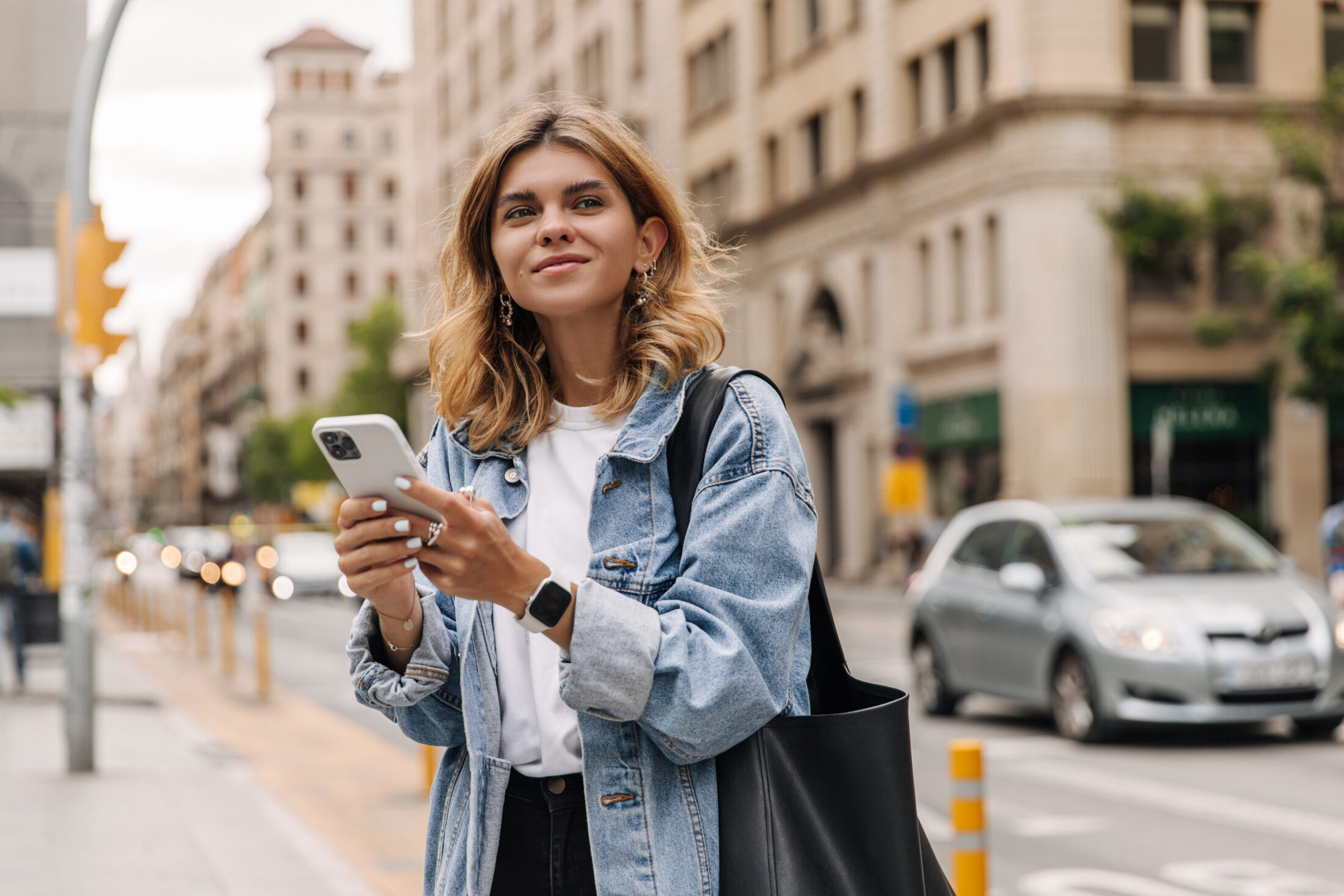
Many of today’s travelers aren’t chasing postcard moments. They’re looking for authentic connections. The 2025 traveler is far less interested in checking off landmarks and far more interested in experiences that feel real, rooted, and human.
According to a 2025 Hilton Trends Report, 73% of global travelers are seeking more authentic, local experiences to fully immerse themselves in a culture. They want to learn from local voices, explore neighborhoods beyond the tourist map, and understand a destination’s true character.
That desire for authenticity perfectly aligns with inclusive marketing, because you can’t tell a genuine story about your destination without showing all the people and cultures that make it what it is.
Inclusivity and authenticity go hand in hand: when a destination embraces its full spectrum of identities, it becomes exactly the kind of place modern travelers want to experience.
Additional reading: If you’re thinking about how inclusivity and authenticity intersect, check out our recent post,Destination Marketing 2025 and the Power of Authentic Cultural Experiences
What destination marketers can do right now
Get specific about safety and accessibility: Replace vague claims like “we’re an inclusive destination” with tangible details (e.g., accessibility maps, local anti-discrimination laws, female-friendly lodging options, partner certifications, etc.)..
Represent your community authentically: Showcase real locals and travelers from diverse backgrounds, and avoid stereotypes (not every woman traveler wants a spa day, and not every LGBTQ+ visitor is looking for nightlife).
Partner with organizations that specialize in inclusion: Work with groups like IGLTA, TravelAbility, or Black Travel Alliance to connect your destination with trusted networks and resources.
Eliminate the “solo tax”: Collaborate with hotels and attractions to remove single supplements and offer more flexible options for individual travelers.
Train your teams: From the front-line hospitality staff to social media managers, everyone representing your destination should understand the needs of diverse travelers (and how to respond with empathy and respect).
Engage year-round: It’s fine to highlight and celebrate diverse holidays, but don’t limit outreach to heritage months or Pride season. Sustained visibility matters more than a one-time campaign.
Inclusion builds resilience
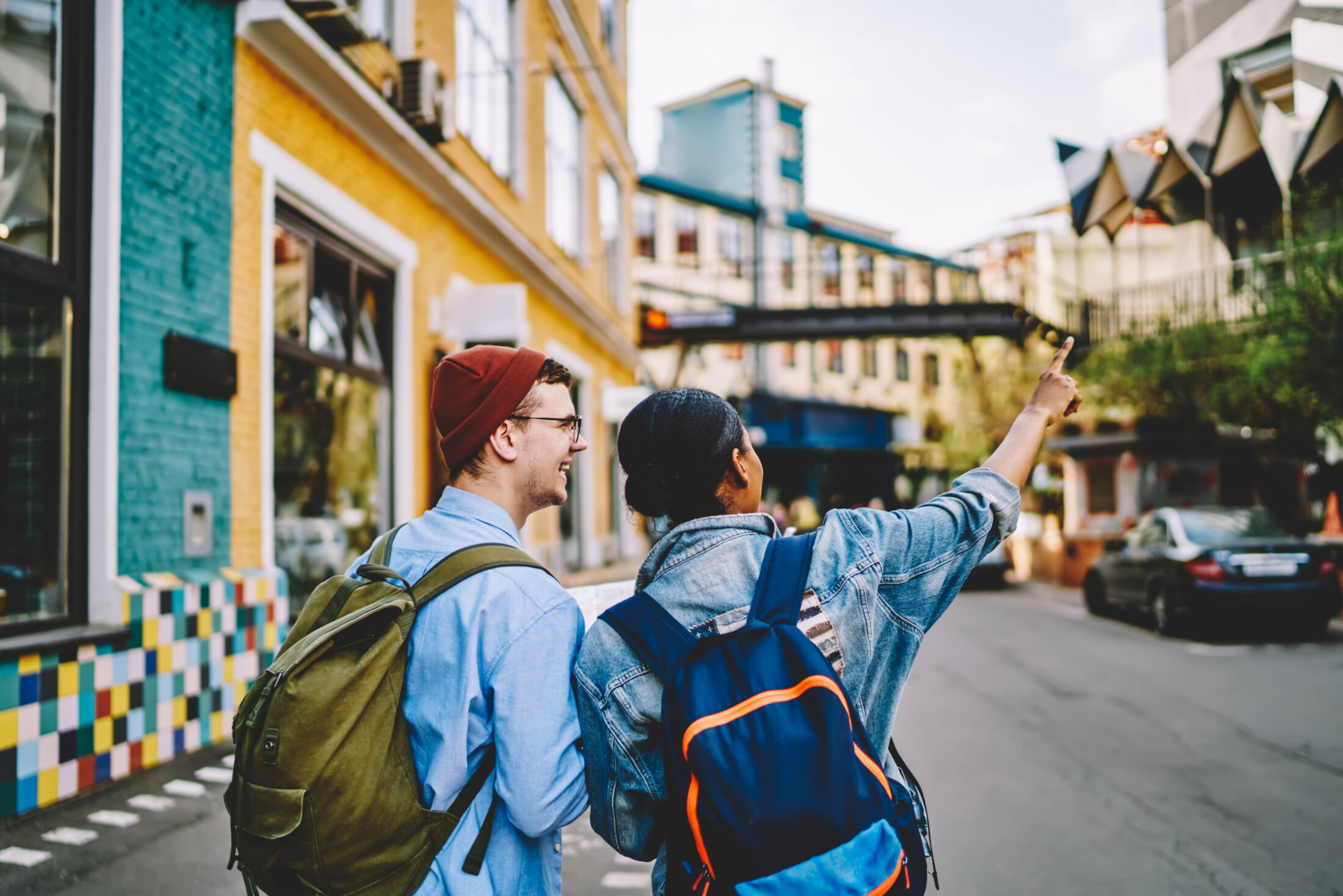
Destinations that embrace inclusivity are future-proofing their reputations. Greater Fort Lauderdale, for instance, doubled down on its “Everyone Under the Sun” campaign during Florida’s “Don’t Say Gay” controversy. That authenticity earned them credibility, national attention, and measurable economic impact, including millions in visitor revenue.
Similarly, cities like Seattle, Barcelona, and Singapore have shown that accessibility and inclusivity can be competitive advantages. Each invested in tangible infrastructure (including everything from accessible transit to halal dining guides) and each now ranks among the world’s most welcoming destinations.
Inclusivity is a long game. But it pays dividends in trust, loyalty, and word-of-mouth that no ad spend can buy.
Why DEI matters to Envisionit (and to me)
As a data and technology person, I love the numbers. But this topic goes beyond metrics. It’s about dignity and the simple human right to explore the world safely as your authentic self.
As a member of the LGBTQ+ community, this is also personal. My husband and I think carefully about where we travel — not just what’s beautiful or convenient, but where we’ll be safe, welcome, and able to be ourselves. That perspective shapes how I approach my work, because I know firsthand that inclusive marketing and infrastructure make a very real difference in people’s lives.
I’m proud to work at a company that makes space for these conversations — and even prouder that we’re helping destinations turn those insights into meaningful impact.
Because sometimes, doing the right thing also happens to be the most profitable thing.
Are you ready to build stronger communities, deeper connections, and a tourism economy where everyone feels they belong? Let’s talk.