About the author

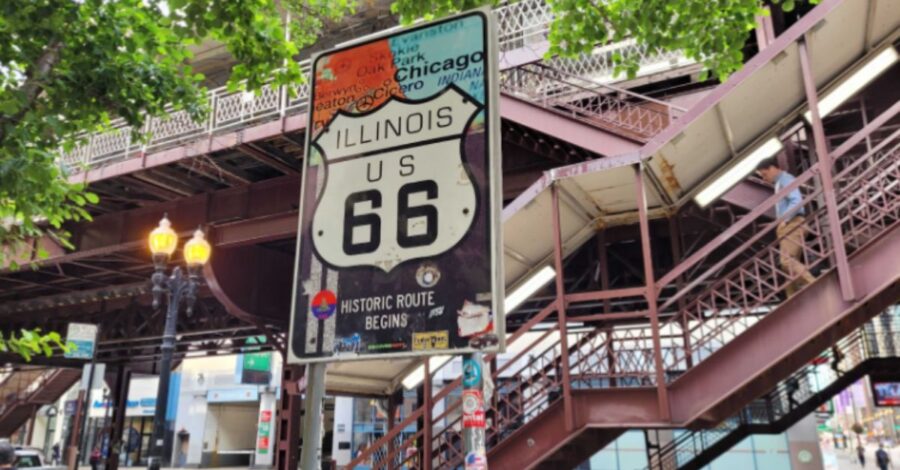
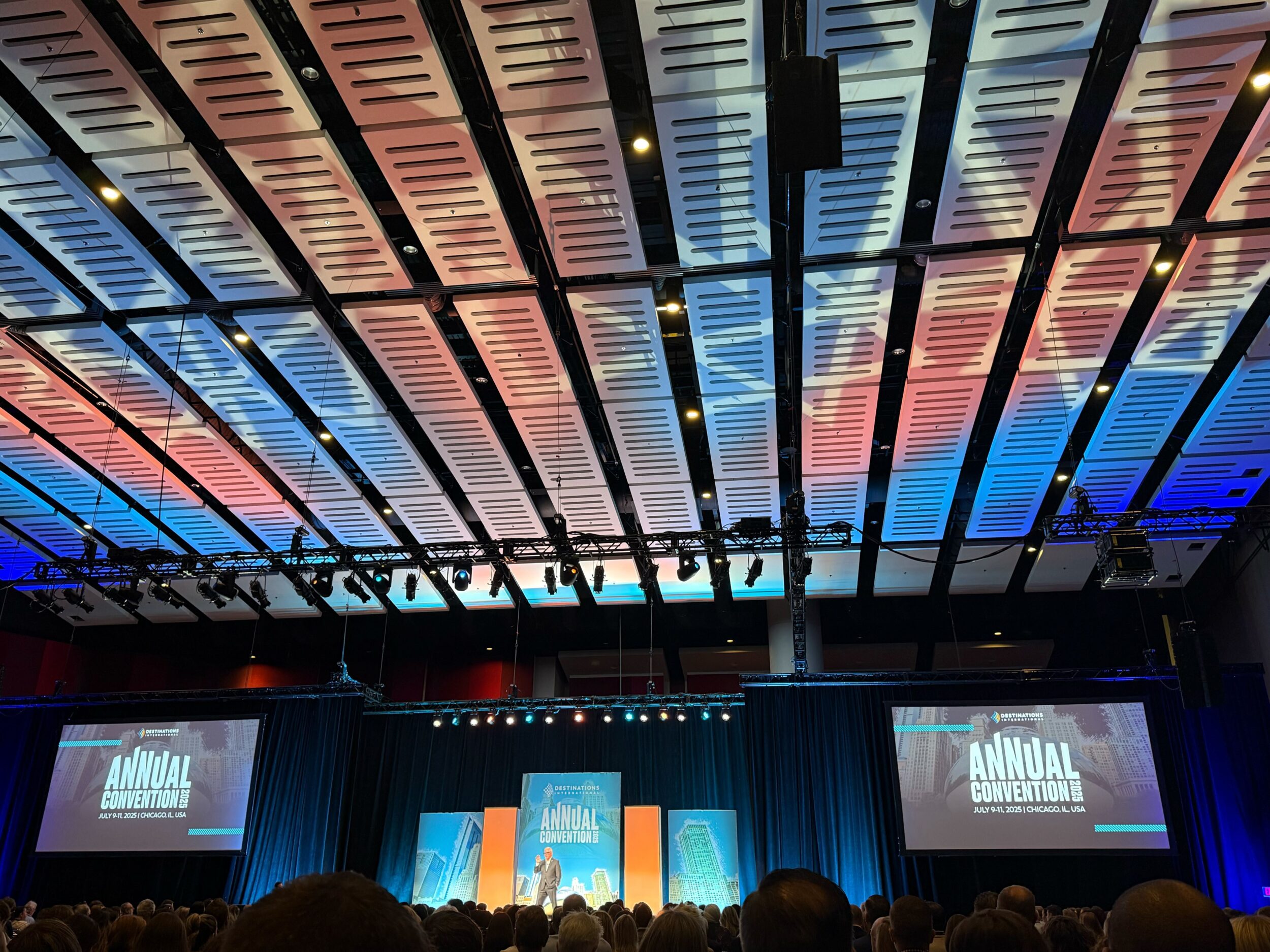
Another Destinations International Annual Convention is officially wrapped, and we think it was the best one yet. Though we might be a little biased—this year’s record-setting event was held in our hometown of Chicago.

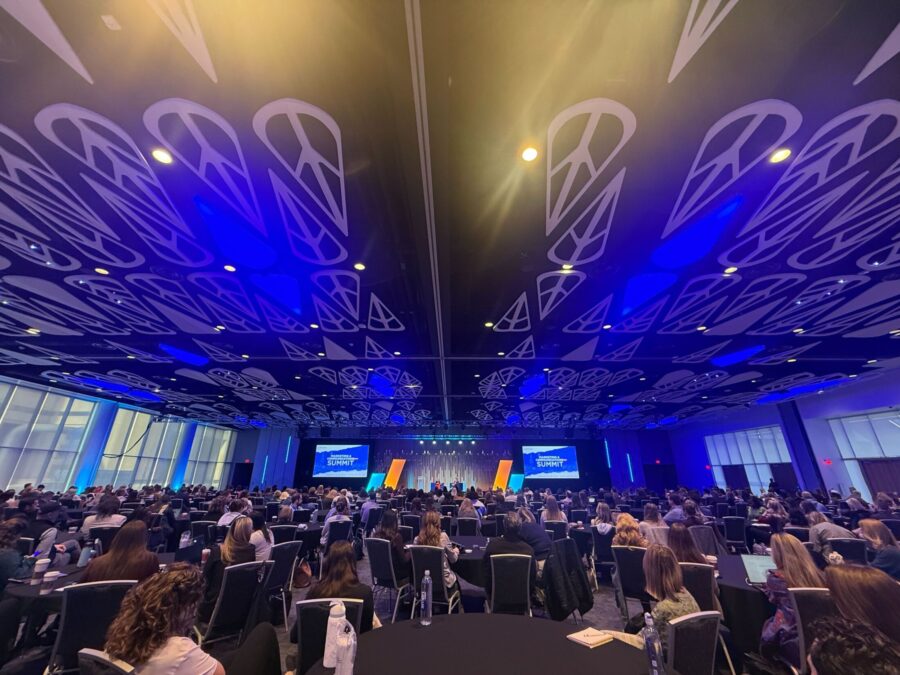
More than 2,000 attendees from 27 different countries mingled at the historic Old Post Office, attended talks and meetings at McCormick Place, and spent their free time exploring our gorgeous city. No word on the number of deep dish slices eaten or Malort shots taken, but we’d guess it’s pretty up there.

This year’s convention attendees were also treated to a range of enlightening sessions, covering everything from industry data to building an inclusive workforce to the latest updates in AI. We’ve rounded up some of the most interesting and surprising nuggets that we heard, with helpful tips and ideas for destinations of every size.
1.) Don’t sleep on sports
Time and time again, speakers shared stories of how sports can be a true game-changer for a destination. According to one panel, sports and events drive travel to the tune of $52.B in U.S. spend.
One stat that surprised attendees: Americans are most interested in traveling for NFL football games, followed by MLB games—beating out popular events like concerts and festivals.
We learned that sports tourism is one of the fastest-growing sectors in the industry. And its not just about the game—the atmosphere and experience matter just as much as what happens on the field.
One important tip: don’t just focus on Major League-sized events. Destinations can reap significant benefits from smaller happenings like amateur and semi-pro games, youth and university tournaments, fan conventions, and beyond.
Key highlights:
- Home to a flagship training center for Olympic athletes, Colorado Springs shared their journey to branding itself as “Olympic City USA.” The team leaned on authentic assets to establish a strong sense of community pride.
- In North Carolina, the Cabarrus County Convention and Visitors Bureau spearheaded the construction of turf fields and professional-level tracks in order to position their destination as a top site for local and national tournaments.
2.) No budget, no problem
It’s nothing new. DMOs are expected to do more with less, as budgets shrink, expectations rise, and leaders push to prove ROI. All this amid a landscape where travelers are craving novelty, authenticity, and emotional resonance—no pressure, right?
This calls for DMOs to get creative and a little scrappy, no matter their size or budget. It’s not about who spent the most, it’s about who shows up with an unexpected message, a moment of disruption, or true surprise and delight.
When it comes to pulling off exciting activations on a tight budget, resilience is the name of the game. Being agile and flexible in the face of barriers and challenges can be the key to fulfilling your vision without breaking the bank.
Key highlights:
- Visit Savannah leveraged sponsors and partners to execute their Surprisingly Savannah trolley tour, which brought local Savannah makers and businesses to 11 cities across the country.
- To spice up their B2B marketing, Visit Baltimore shipped in real East Coast blue crabs and invited attendees to have an authentic crab-picking experience. They used their existing trade show booth to save money on a location and ended up being the talk of the event.
3.) Be ready for a crisis
It’s an unfortunate reality that climate-related crises are becoming more and more common. While you can never fully anticipate the impact of a natural disaster, it’s crucial that your DMO is prepared for a multitude of scenarios.
DMOs at the convention talked about walking the fine line between supporting first responders without getting in their way. That’s why it’s best to open the lines of communication early. Building a relationship with key community members, like those in local and state government, can create a foundation of trust that will be crucial when disaster strikes.
When it comes to making a crisis plan, each team member must understand their specific role and responsibilities. You’ll also want to lay out a detailed communication strategy, from how to share the latest information during an emergency event to how you’ll support ongoing recovery efforts.
Key highlights:
- In the aftermath of devastating floods from Hurricane Helene, Explore Asheville leveraged their network of hotel contacts to book more than 10,000 room nights for FEMA workers.
- Explore Asheville also supported recovery efforts like a star-studded Concert for Carolina and created a digital showcase of local creators and makers impacted by the flooding.
4.) Events are a lifeline
One recurring theme at this year’s convention — events are a destination’s best friend. From concert tours to conferences and political conventions, major events can drive room nights, help flatten the seasonality curve, and bolster local pride.
But destinations shouldn’t just settle for any event. DMOs should be intentional with their event strategy, ensuring that events align with resident values. This can help garner community support and buy-in, making events run smoother and ensuring better outcomes for everyone.
Key highlights:
- A perfect example of an event aligning with resident values: an ABBA sing-along in Stockholm was a smash hit. The Stockholm Business Region shared how they paired Swedish pride with the band’s global fanbase for an unforgettable tribute.
- Visit Nashville TN shared some great advice: “The best events feel like a natural extension of your destination.” They pulled off an unforgettable NYE concert that bolstered their city’s reputation as a multi-genre music city.
5.) Time to welcome the world
The current political climate has created a tenuous, if not openly hostile, relationship between America and countries around the world — and it’s no surprise that U.S.-based destinations are still reeling from the fallout.
The latest State of the Global Traveler report found that America’s position on the world stage is shifting. Travelers now see the United States as less welcoming, less affordable, and less politically stable than other destinations.
These sentiments are already having very real effects on the industry and consumer travel behaviors. So, what’s a destination to do? An authentic and inclusive destination strategy is more important now than ever. Make sure your messaging makes it clear that your destination is a welcoming place for visitors from all over the globe
Key highlights:
- According to new State of the Global Traveler data shared at DIAC, America’s reputation for being friendly and welcoming is lower than Canada’s, the UK, and Germany — we’re more on par with China and Saudi Arabia.
- Travelers from Germany and Canada showed the lowest levels of interest in traveling anywhere in the United States. Consumers in India showed the most interest in U.S. travel and were the only group to show more interest than last year.
What did we learn at DIAC 2025?
Without question, our biggest takeaway from DIAC 2025 is that DMOs need to stay deeply connected to what truly moves and inspires today’s travelers.
And staying ahead means listening closely, responding creatively, and showing up in ways that reflect both the values of your community and the passions of your visitors.
If you’re ready to explore how these trends can shape your strategy, let’s talk.