About the author

TLDR: Here’s what you NEED to know
- TikTok is facing a U.S. ban due to security concerns over its Chinese ownership, leading to reduced ad spend from major brands and shifting user demographics on the platform.
- As major brands shy away from spending big on TikTok, smaller brands might have an opportunity to make more of an impact on the platform.
- New opportunities exist with major advertisers exiting, but marketers need to consider potential consequences and alternatives.
- Savvy marketers should work on building up an audience and finding their niche on alternative platforms to help mitigate the potential loss of the TikTok app.
Evolution of TikTok: From Douyin to a global phenomenon
TikTok, originally launched in September 2016 as Douyin in China (by ByteDance), quickly gained popularity with its short-form video content format. By 2018, it merged with the app Musical.ly, extending its reach globally under the TikTok brand. The app’s innovative algorithm, which tailors content to users’ preferences, helped it become one of the most downloaded apps worldwide, with over 1 billion monthly active users by 2021.
TikTok data security concerns
The primary controversy surrounding TikTok stems from its ownership by the Chinese company ByteDance. Concerns have been raised about the potential for the Chinese government to access sensitive user data through the app. This has prompted significant scrutiny and has led to various legislative actions by the U.S. government.
Critics argue that TikTok’s data collection practices could pose national security risks, given China’s laws that compel companies to cooperate with the government for intelligence purposes.
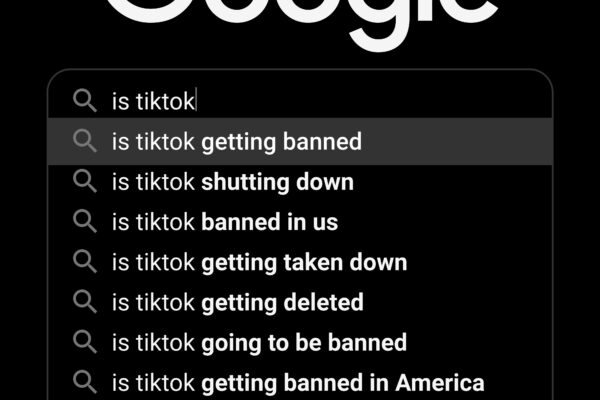
Despite the fact that TikTok has never operated in mainland China, and despite assurances from TikTok CEO, Shou Chew that ByteDance is not controlled by the Chinese government, legislation banning the social media platform from U.S. app stores is likely unless it is sold to a government-approved buyer by January 2025.
Big brands reducing ad spend on TikTok
A recent article from Social Media Today outlines several important developments in this narrative to which marketers should be paying attention. The most significant is that major brands — 4 of the top 10 — have started to reduce their advertising spend on TikTok due to the uncertainty surrounding its future in the U.S. market. Brands with some of more significant recent reductions in TikTok spend include Target, DoorDash, Bayer and Procter & Gamble.
Despite all the uncertainty, the reduction in ad spend by larger brands could present an opportunity for smaller businesses and marketers. With less competition, there may be more room to capture audience attention and achieve better engagement rates. It might be worth continuing to push TikTok promotions in the short term to see what results can be achieved while the platform is still available.
Shifting demographics on TikTok
TikTok — which boasts 170 million users in the U.S. — has seen its user growth stagnate and is experiencing a notable decline in younger people. According to a recent report from YouGov, the percentage of weekly TikTok users aged 18 to 24 has dropped 10% since 2022.
At the same time, the percentage of users 35 to 44 has risen 3%. Marketers will need to adapt their strategies to address this change and consider the evolving preferences and behaviors of TikTok’s user base in light of their own target audiences.
Navigating brand risks amid TikTok’s controversy
Marketers will also need to consider the potential negative associations for their brands. According to YouGov, half of Americans back a TikTok ban. Opportunities may exist, but savvy marketers will always weigh the good with the bad.
It might be time to follow suit and begin moving focus to other social media platforms, such as Instagram Reels, YouTube Shorts or even Snapchat.
Alternatives to TikTok
While TikTok’s departure leaves a massive void in the social media landscape, several existing and emerging platforms are vying to capture its audience. RedNote and Lemon8 have both seen a huge uptick in users since the announcement of the U.S. TikTok ban.
RedNote
- Owned by Xiaohongshu (“Little Red Book”), a Chinese-based company.
- Allows users to share short-form videos and discover engaging content through an algorithm-driven feed.
- Focuses on lifestyle, fashion, and travel content with a strong e-commerce integration, allowing users to shop directly through the platform.
RedNote seems to be the favorite child in the U.S.-TikTok divorce. And the app is changing every day, modifying and adapting to accommodate TikTok refugees by adding a lot of English language features. Estimates from app data research firm Sensor Tower show U.S. downloads of RedNote were up more than 200% year-over-year this week, and 194% from the week prior.
Lemon8
- Owned by ByteDance, a Chinese-based company (parent company of TikTok).
- Offers short video creation and sharing with a focus on trends and user-generated content.
- Prioritizes photo-based posts and curated content around lifestyle topics like beauty, wellness, and travel, rather than spontaneous video trends.
At first blush, Lemon8 may seem more like Instagram than TikTok, but you can likely expect user-inspired changes designed to fill the TikTok void. The app experienced a similar surge last month, with downloads jumping by 190% in December to about 3.4 million, becoming the second most-popular free app on Apple’s App Store list. Currently, there are no paid advertising opportunities on the platform, but given its growing popularity that may change soon.
Potential drawbacks for RedNote and Lemon8
While these platforms present new opportunities to connect with audiences, it’s important to consider the broader implications of the new U.S. law.
This legislation that ended TikTok applies to any social media site that’s at least 20% owned by an individual or company in a country deemed an “adversary” by U.S. leadership—including China, Russia, and others—and has over 1 million active monthly users. If U.S. officials determine that a platform’s technology or operations pose a national security risk, it could face a similar fate.
Experimenting with RedNote and Lemon8 might be worthwhile, but marketers should be cautious about heavily investing in these platforms for the long term.
Marketers should consider diversifying their social media strategies by exploring the following platforms:
- Instagram Reels: With similar short-form video content, Reels on Instagram offers a familiar format and is integrated into an established platform with a large user base.
- YouTube Shorts: YouTube’s short-form video feature provides another viable alternative, leveraging YouTube’s massive global audience.
- Snapchat: Known for its ephemeral content, Snapchat offers various advertising options and a strong user base among younger demographics.
- Triller: This social video app has positioned itself as a competitor to TikTok, focusing on music and creative content.
- Reddit: Engaged communities and passionate users connect and share their interests.
If you don’t already create and post content on these platforms, this might be a good time to start dipping your toe in the water. Building up your audience on alternative platforms might make the loss of TikTok sting less come next year.
Developing a more integrated approach post-TikTok
With the TikTok ban forcing marketers to pivot and adjust strategies, now is the time to explore opportunities beyond short-form social media and think holistically. Here are a few things to consider:
- Diversification of social media platforms: Building a strong presence across multiple platforms is crucial. Explore both emerging and established platforms to find and grow your audiences.
- Emphasis on owned media: Develop content-rich websites, email, and SMS marketing strategies for stability and message control.
- Incorporating AI: Leverage AI for data analysis and personalized marketing to craft more targeted campaigns, minimizing reliance on any single platform.
- UGC strategies: Encourage and leverage user-generated content across platforms to maintain authenticity and engagement, even if access is restricted on one platform.
- Micro-conversions and customer experience optimization: Improve website navigation and U/X to boost engagement and conversions on owned properties.
- Long-form content: Explore longer video formats and detailed content pieces to diversify beyond short-form videos akin to TikTok’s.
Future-proof your social strategy with expert guidance from Envisionit
By leveraging these alternatives and continuing to experiment with TikTok in the short term with an eye on the future — and public sentiment — marketers can navigate the current social landscape and be more prepared for a potential TikTok ban.
Contact Envisionit today to discuss how we can guide you through the evolving social media landscape, crafting impactful media strategies that deliver impactful results for your brand.