About the author

The authenticity of a destination is crucial for successfully marketing to potential visitors. People want to experience the real essence of a place before they get there—learning where to go, what to eat, and where to stay, all through the voices of real people.
The best way to achieve this is by letting actual travelers showcase the places they love. User-generated content (UGC) and influencer partnerships are two powerful tactics to bring these authentic stories of your destination to life. In fact, UGC is so influential that 92% of consumers trust UGC and word of mouth more than other traditional forms of brand advertising.
But how are these tactics different and which is right for your destination? Let’s explore the nuances of UGC and influencer content and how destination marketers can use them to connect with potential visitors.

What is UGC and how is it different from influencer content?
Perception and trust are everything when marketing destinations. Word-of-mouth recommendations have always been effective and the digital age has amplified this through social media. Friends, family, and even strangers share their experiences en masse, offering valuable insights that directly drive purchasing decisions.
UGC and influencer content are both valuable assets in modern marketing strategies, but they have distinct differences in terms of origin, purpose, and impact.
User-generated content is created by everyday social media users or existing customers who have experienced a brand or service. This content (which includes photos, videos, social media posts, reviews, blog posts, and more) is voluntarily created by customers unaffiliated with a brand and creators.
Influencer content is created by individuals who have built a significant community on social media and other digital platforms in direct partnership with a brand. Brands often work with influencers through paid partnerships to tap into their followers for the promotion of a product or service. Influencers are directly compensated for creating content.
The value of UGC and influencer content
Both UGC and influencer content are helpful to brands and campaigns in different ways. These types of content both have the power to:
- Build brand awareness
- Encourage engagement
- Showcase authentic experiences
- Increase brand loyalty
Both content types allow viewers to see themselves in a particular place and are very impactful when travelers research and plan trips.

What to know about user-generated content: advantages and disadvantages
One common issue that destinations face is how to maintain an up-to-date asset library when your destination is constantly changing. UGC can be a cost-effective way to grow your DMO’s inventory of media assets, while also capturing multiple points of view of your destination.
UGC is often seen as the most authentic and trustworthy type of content because it’s created by people who are not affiliated with a brand.
One drawback to UGC is that brands have limited creative control. There are also changing rules and regulations around acquiring and using UGC, which can also present a risk to brands. Securing the right permissions and attributions can help reduce the risk of UGC for DMOs.
What to know about influencer content: advantages and disadvantages
Influencer content really shines as a way to reach specific target demographics and amplify brand messages to a larger and/or new audience.
The impact of a successful influencer partnership can be massive because they can leverage their established relationship with their audience, which can be particularly effective in reaching niche markets.
However, the paid nature of these partnerships can sometimes affect perceived authenticity. Brands can mitigate this by partnering with influencers who are already a fan of the brand in question, allowing them to provide authentic endorsements. For destinations, this might mean tapping into your locally based influencer network.
For influencer content, brands often play a larger role in the content creation process. Typically, influencers follow a brief with guidelines to ensure alignment with brand standards and creative vision. Check out our strategic guide to influencer marketing for more.
| Advantages | Disadvantages | |
| UGC |
|
|
| Influencers |
|
|
Tools for curating UGC
There are so many ways to curate and source UGC. One of the easiest ways to source UGC content to reshare on social media is by using keywords or hashtags and reviewing them manually. Here’s a list of ideas to help you get started:
- Hashtags: Encourage users to share their content using a specific hashtag on platforms like Instagram, X, and Facebook. This makes it easier to track and collect UGC. Make sure your brand hashtag is visible in your social media bios.
- Geo-tagging: Monitor geo-tags related to your destination to find authentic UGC from visitors.
- Crowdriff: Designed specifically for DMOs, this online tool aggregates visual content from various social media platforms. They also help with rights management to enable easy content curation and display.
Ways for DMOs to enhance user experience with UGC
Incorporating UGC into your destination marketing strategy can greatly enhance user engagement and build trust. Here are three key ways DMOs can leverage UGC to create a more dynamic and authentic user experience.
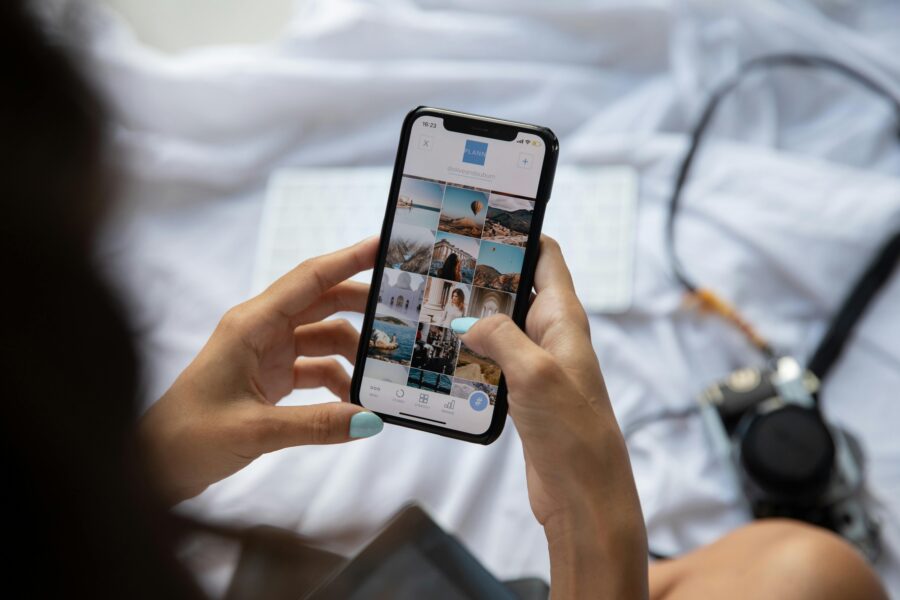
- Interactive galleries: Create galleries on your website that feature UGC. This can enhance user engagement and increase time spent on your website. Create UGC galleries on your website with images submitted by visitors. These galleries can be featured on your homepage or specific content pages, showcasing real experiences and increasing user engagement.
- Social media integration: Incorporating UGC into your brand’s social media feeds creates a vibrant user experience and builds the brand’s trust and authenticity with users. UGC’s first-person POV style allows future visitors to see themselves in your destination and drives awareness and engagement.
- Encourage testimonials: Foster a culture of sharing by adding a call to action for visitors and locals to share their stories in your destination. UGC content is a visual testimonial that provides excellent social proof for the brand. The more users share their experience the more awareness and engagement a brand will receive.
Regulations for using UGC and influencer content
The rules and regulations around UGC and influencer content are changing rapidly, and keeping up with the latest guidelines is essential for protecting your destination brand. Here are a few crucial things to do before using UGC and influencer content on your channels.
Using UGC on DMO channels
When it comes to using UGC on a brand’s social media channels, having the right permissions is crucial. This can be done through direct communication with the content creator. Remember, using your campaign hashtag or tagging your brand on social does not always imply consent, so it is always best to reach out and ask for explicit written permission. See how Envisionit leverages UGC in our tourism campaigns.
If you plan on leveraging UGC outside of resharing on social, you want to have clear licensing agreements. For example, if you use a content aggregator like Crowdriff, you can create a saved message to be sent to creators with a link to a licensing agreement to review. This would include where you might use the content (in print ads, social media ads, etc). If the creator accepts the agreement, the content will be available for the brand to use as specified in the agreement.
Here are a few other helpful tips:
- Attribution: Give proper credit to the original content creator, unless they have expressly waived this requirement.
- UGC policies: Have clear terms and conditions that outline how UGC will be used. This should be easily accessible to users who participate in your campaigns.
- Hashtag campaigns: If using hashtags to collect UGC, specify in campaign materials that this indicates a user’s consent to use their content.
- Geo-tag monitoring: Keep track of geo-tags related to your destination to find authentic content from visitors.
Influencer content usage rights
For influencers, content usage rights are typically outlined in contracts between the brand and the influencer. Influencers must also comply with advertising regulations that mandate disclosure of sponsored content, such as FTC guidelines in the U.S. This often involves using hashtags like #ad or #sponsored to indicate a paid partnership.
Both UGC and influencer content have their unique strengths and when used together, can create a well-rounded and impactful marketing strategy. Check out more insights and advice for destination marketers.
Ready to bring your destination to life through authentic content?
Whether you’re looking to build a UGC strategy, launch an influencer campaign, or do both—we’re here to help. Get in touch with Envisionit to start crafting a content approach that inspires travelers and drives results.