About the author

Representation in marketing isn’t performative—it’s a powerful invitation.
In recent years, diversity, equity, and inclusion (DEI) initiatives have faced shifting tides, especially under current political leadership where some policies have deprioritized or even actively pushed back on formal DEI programs. But for travel and tourism marketers, inclusive representation remains not only a moral imperative but also a business-critical strategy. Despite the political climate, the need to reflect a full spectrum of travelers—across race, gender, age, ability, sexual orientation, and cultural background—has never been more important.
For destinations to truly thrive, they must foster a sense of belonging by showing people from all walks of life experiencing the joy, adventure, and relaxation their locations have to offer. After all, diversity has always been intrinsically tied to tourism. We travel to meet new people, have new experiences, and expand our worldview beyond our lived experiences.
When it comes to DEI, most destinations have good intentions—more than 86% of DMOs say their organizations are committed to diversity and inclusion, according to a 2022 Skift survey.
And while plenty of progress has been made (Destinations International, for instance, hired their first Chief Diversity Officer in 2022), many organizations find they’re falling short of their goals. Only 67% of DMOs say they’ve provided training programs related to DEI and just 58% say their organization does a good job of hiring a diverse workforce.
The importance of DEI for the industry—and for travelers—isn’t going anywhere. So it’s time to walk the walk on your organization’s diversity, equity, and inclusion initiatives.
Here are just a few ways DMOs can bring DEI to life in their marketing and beyond.
Rethink your imagery
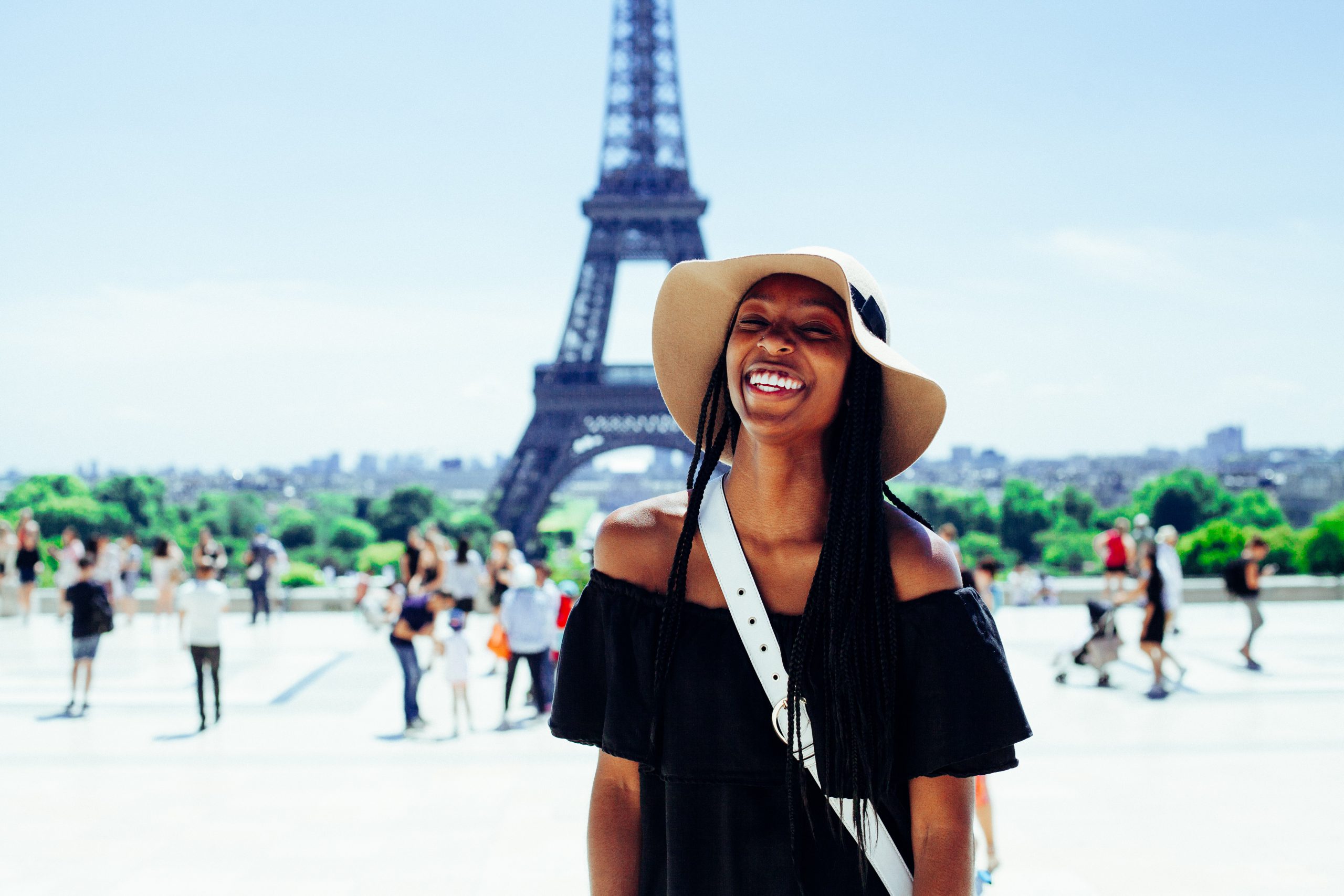
The photography and video you use in your marketing should accurately reflect your destination. That means the people in your ads need to demonstrate the diversity of your community.
Why is this important? Because it matters to consumers. In the U.S., more than half of Black travelers say that they are more likely to visit a destination if they see Black representation in travel advertising, according to The Black Traveler: Insights, Opportunities & Priorities research report.
It also can help reassure safety-minded tourists. All travelers want to know that a destination is safe and welcoming, but this can be especially important for minority groups. Seventy-one percent of Black travelers say that safety is very or extremely influential to their travel decisions, according to The Black Traveler survey.
Something as simple as including minority groups in your marketing can be a powerful message that your destination is open and welcoming to those travelers. This can be especially impactful when consumers aren’t used to seeing themselves reflected in travel ads.
Diverse representation in ad imagery goes beyond just race—LGBTQ+ and differently abled people have historically been excluded from traditional marketing and advertising campaigns. Taking a holistic approach to diversity will help demonstrate that your destination values all facets of inclusion.
For instance, the marketing team at Canadian DMO Visit Kingston eschewed professional models and used real Kingston residents in their Pride photoshoots. Not only does this bring more representation to the destination’s LGBTQ+ community, but it also brings a layer of authenticity to Visit Kingston’s Pride campaigns.

But diversity on its own isn’t enough. Destination marketers should also be mindful of equity in their photography. That means depicting a diverse array of people doing a diverse array of things — and not falling into stereotypes. For instance, do you only feature Asian tourists in photos of Chinatown? Are your images at the opera or fine dining restaurants exclusively white people? Are the women in your photos shopping, while the men are at sports games?
Challenge yourself to assess how your photography is representing the full spectrum of diversity and prioritizing equity across all groups.
While including diversity and equity in your imagery isn’t a magic bullet for creating an inclusive destination, it’s a good first step to make travelers of all backgrounds feel seen and welcomed.
Looking for more meaningful ways to incorporate DEI into your marketing? Read the full post on the Destinations International blog.